
WATER TREATMENT OPTIONS FOR THE HOME
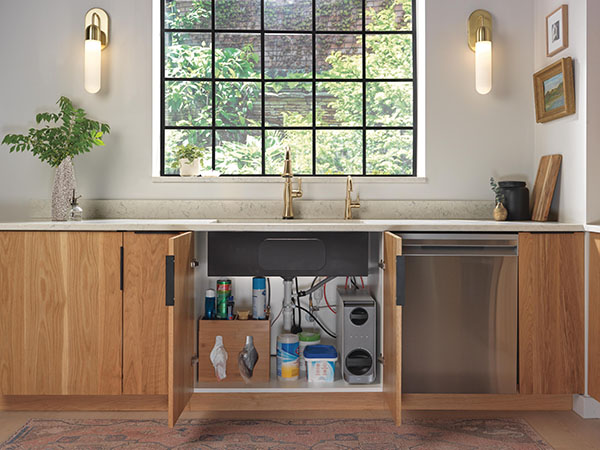
Nearly half of Americans filter their drinking water at home. Some systems, often called Point of Use systems, treat the water only where you need it—at the kitchen sink, refrigerator or shower, for example. Point of Entry filtration options are whole-house water filtration systems that treat all of the water coming into your home before it’s sent to any plumbing fixtures or the hot water heater. Let’s take a closer look at these filtration solutions.
Drinking Water Point of Use (PoU) Filtration Systems
The two most common PoU filtration options for the home are activated carbon filters and reverse osmosis filtration systems.
Activated carbon is a highly porous material commonly made of coal, coconut shells or wood. Activated carbon water filters use chemical absorption to remove contaminants and impurities, such as chlorine and sediment.
Reverse osmosis (RO) systems include semipermeable membranes that water is pushed through to remove harmful chemicals, pathogens and minerals from the water. Considered the gold standard in filtration, most reverse osmosis water filtration systems use more than one type of water filtration to remove sediment and reduce contaminants (e.g., RO plus activated carbon) and feature multiple stages of water filtration.
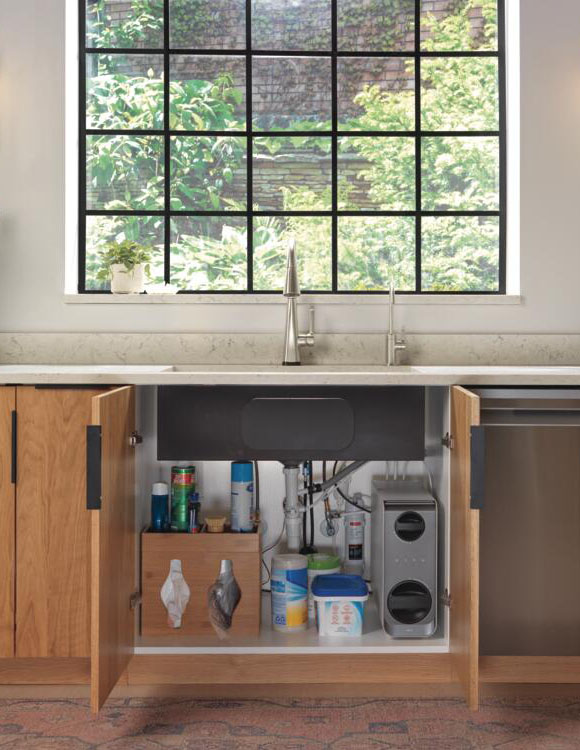
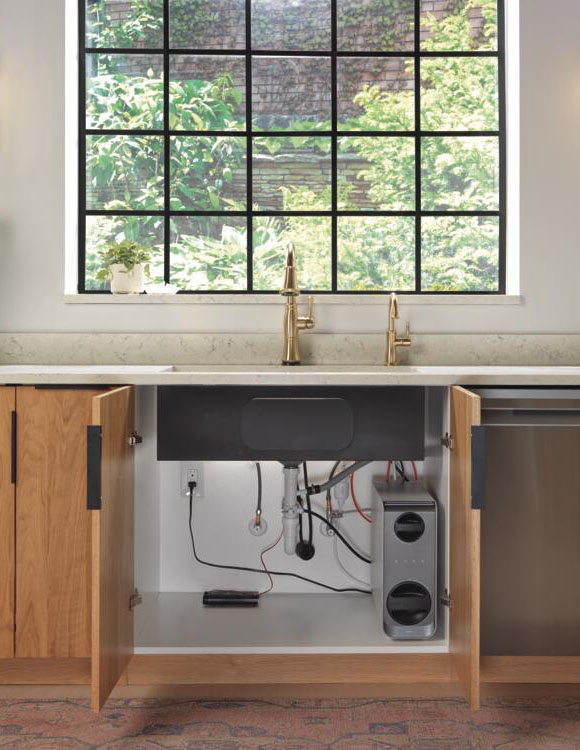
Some RO systems also offer remineralization cartridges, which add good-for-you minerals like electrolytes, calcium and magnesium to enhance the taste and pH of your water. Check out our Delta® Clarifi™ Tankless RO System to learn more.
Other in-home water filtration and treatment options include:
- Distillation units, which boil water and condense the steam to produce purified water
- Ultraviolet (UV) water filters that kill bacteria and viruses with UV light
- Ceramic water filters with small pores that block contaminants from flowing through
- Ion-exchange water filters, which swap ions in the water with ions on beads in the filter to remove minerals and contaminants
Point of Use (PoU) Water Filtration Products
If you’re looking for a PoU drinking water filter, you have a variety of options to choose from.
- Pitchers are an affordable and easy-to-use way to improve your tap water by reducing substances like chlorine and lead.
- Countertop systems usually provide more capacity and are available with different water filtration options, such as activated carbon, RO and ceramic.
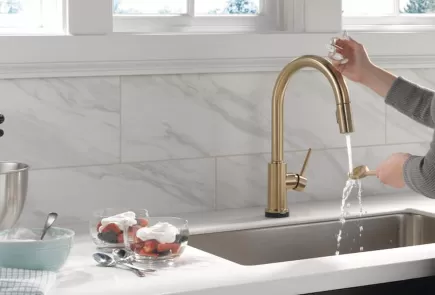
- Faucet attachments connect directly to your faucet, typically feature an activated carbon water filter and/or ion-exchange water filter, and often come with an on/off switch, so you can filter water only when needed.
- Water dispensers, aka water coolers, frequently use bottled water, but bottleless models with filtration (e.g., UV or activated carbon) are also available.
- Under-counter water filtration systems can be paired with your primary faucet or a beverage faucet to dispense filtered water at the sink. These systems are available with different filtration solutions, such as RO or activated carbon.
- Refrigerators are available with an integrated water filter to improve your water.
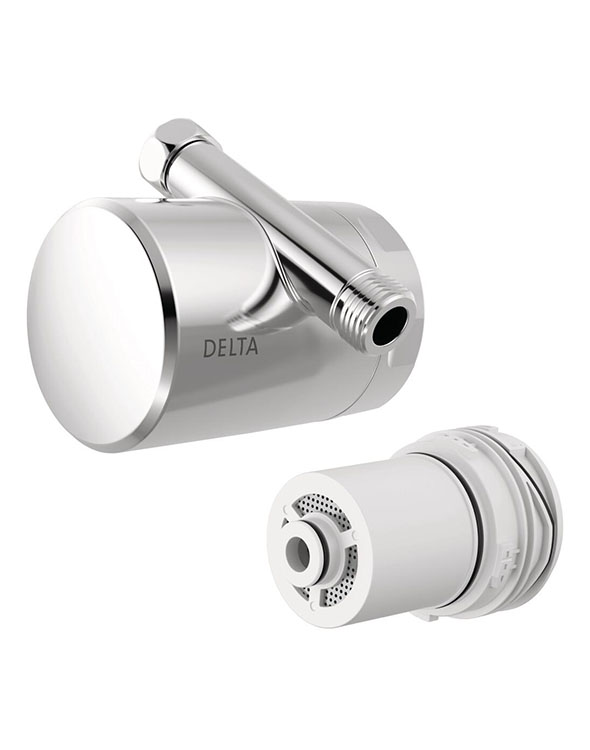
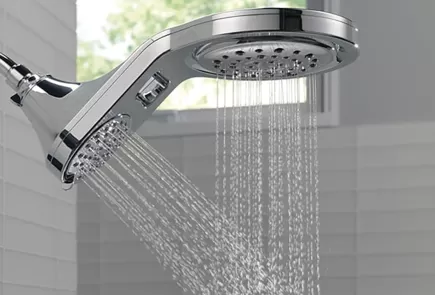
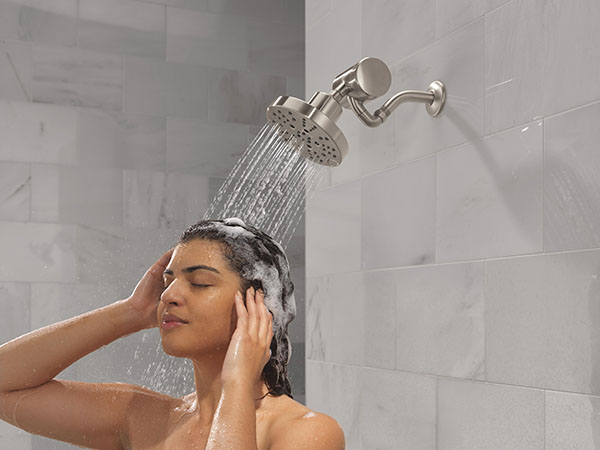
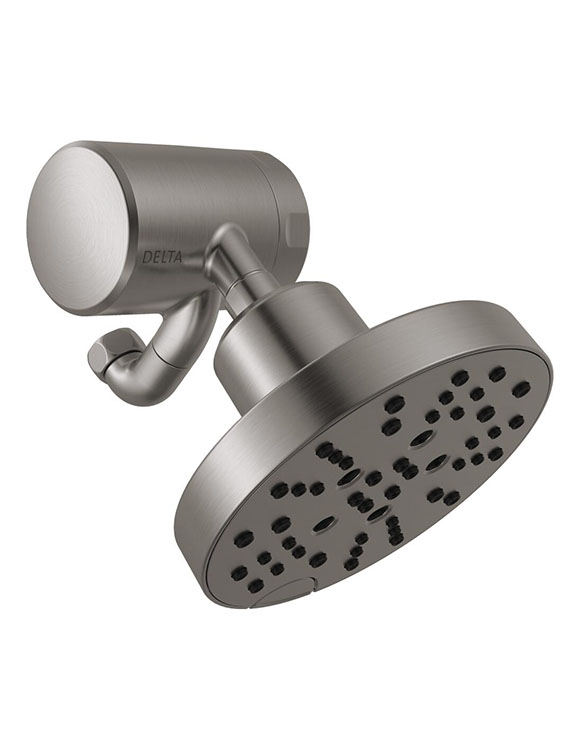
Shower Filters: When people think about water filtration, drinking water is usually top of mind. But the quality of water can also impact your skin and hair (see Benefits of In-Home Water Filtration). Shower water filters attach to your shower head to remove contaminants, like chlorine, that may cause dry skin and hair. Find out more at Delta® Clarifi™ Shower Filter Attachment.
Whole-Home Water Filtration Systems
Point of Entry (PoE) systems that filter all of the water coming into the home are installed near the incoming water supply. Although these water filtration systems are more complex to install and have a higher upfront cost, they’re capable of removing a wide range of water contaminants and conveniently supply filtered water wherever you want it.
Whole-house water systems may feature one or more water filtration type, including activated carbon, RO, UV and ion-exchange. When researching these water filtration systems, you’ll find these options as well:
- Water softeners are ion-exchange water filtration systems that replace minerals that cause hard water, including calcium and magnesium, with sodium.
- Salt-free water conditioners typically use potassium to crystalize the minerals that cause hard water, so the scale is less likely to build up on your fixtures.
Tankless 6-Stage RO w/ Fau & Remin Fltr
Tested and certified for reliable, easy-to-use in-home water filtration, the Delta® Clarifi™ Tankless Under Sink 6-Stage Reverse Osmosis System is certified to filter out more than 90 contaminants from your drinking water. The best-in-class system uses 6...
View Product